
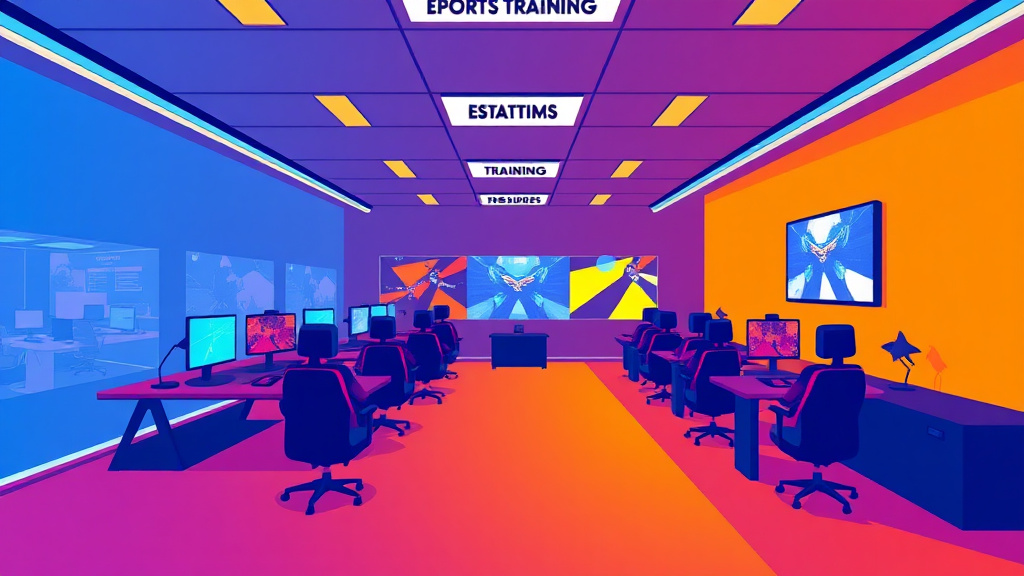
The esports industry has experienced a major shift, moving from garage-based tournaments to a billion-dollar enterprise. Today’s esports organizations are far from being scrappy underdogs—they’re sophisticated operations committing substantial resources to cutting-edge training facilities, expert coaching teams, and performance science initiatives. This article examines the ways leading esports teams are adopting traditional sports models, investigating the advanced facilities and professional guidance that distinguish championship-winning teams from competitors, and what this investment demonstrates about esports’ mainstream legitimacy.
The Growth of Esports Infrastructure
The esports landscape has shifted substantially over the last ten years, shifting from informal gaming sessions in basements to professionally structured organizations maintaining premier training venues. Early esports teams operated with basic infrastructure, relying on players’ individual equipment and improvised training areas. Modern top-tier teams have invested billions into purpose-built facilities including advanced gaming technology, rapid connectivity systems, and ergonomic workstations built to improve player safety and injury prevention during rigorous practice schedules.
This infrastructure transformation reflects the industry’s growth and growing competitiveness at the top tier. Modern esports facilities now incorporate elements borrowed from mainstream sports, such as dedicated coaching areas, athletic science facilities, and recuperation areas. Teams acknowledge that athletic fitness, psychological support, and nutrition planning influence gaming performance. The investment in cutting-edge facilities has become essential for signing premier athletes, as players increasingly expect elite-standard conditions comparable to those seen in conventional athletics, establishing infrastructure quality a key competitive advantage for top-tier teams.
The development of esports framework transcends concrete facilities to incorporate detailed operational frameworks. Teams now employ professional coaching teams including game strategists, performance specialists, and psychological experts together with conventional esports coaches. This multidisciplinary approach understands that tournament achievement demands far more than technical ability, requiring strategic thinking, psychological strength, and organizational harmony. The commitment to personnel development and specialized knowledge has proven equally important to venue improvement, establishing esports as a legitimate professional field.
Looking ahead, esports infrastructure keeps evolving with cutting-edge developments transforming coaching methods and competitive skill advancement. Organizations are integrating machine learning insights, VR-based training environments, and biometric monitoring systems to secure performance benefits. These infrastructure expenditures reflect esports teams’ dedication to data-driven coaching methods, paralleling progress made in conventional athletics. As the industry develops, infrastructure standards will presumably advance further, establishing higher standards for what competitive teams must offer to remain competitive at the highest levels.
Modern Training Spaces
Current esports organizations work out of purpose-built training facilities that compete with conventional athletic teams in complexity and funding. These specialized environments offer regulated settings tailored to competitive play, including climate control, ergonomic workstations, and high-performance technical systems. Teams recognize that athletic and cognitive abilities directly impact gameplay outcomes, resulting in substantial capital expenditure on spaces enabling athlete development, recuperation, and team cohesion throughout rigorous training schedules.
Gaming Hardware and Setup
Esports professional organizations invest heavily in high-end gaming hardware, ensuring players can utilize the most current equipment for optimal performance. High-refresh-rate monitors, precision mechanical keyboards, precision mice, and custom-built gaming PCs constitute major investments that directly influence performance edge. Teams meticulously calibrate hardware configurations to align with individual player preferences, recognizing that hardware consistency and reliability are critical factors in sustaining top-level performance during high-stakes tournaments and practice sessions.
Beyond separate stations, teams set up designated practice spaces with multiple gaming stations configured identically to competitive conditions. This consistent configuration enables competitors to work in settings aligned with tournament play, reducing variables during matches. Spare hardware and failover systems guarantee continuous workout periods, while technical support staff regularly check and maintain all hardware to prevent performance degradation or sudden breakdowns.
- High-refresh-rate monitors providing superior visual clarity
- Custom-built gaming PCs with premium processors and graphics
- Precision gaming peripherals configured for competitive play
- Redundant networking systems maintaining stable connectivity
- Professional-grade audio equipment for team communication
Expert Coaching and Support Staff
Professional gaming teams now utilize diverse coaching personnel reflecting traditional sports organizations. Head coaches develop strategic play and team chemistry, while positional coaches concentrate on player skill development. Sports psychologists help athletes manage pressure and optimize mental performance during competitive events. Analysts examine game footage, identify opponent strategies, and deliver analytical insights. This multidisciplinary approach ensures players receive comprehensive support across skill, strategic, and mental aspects.
The support systems extends beyond in-game coaching. Nutritionists design dietary programs optimizing mental performance and prolonged energy in competitive events. Strength coaches create training regimens addressing the bodily demands of esports competition, covering hand-eye coordination and stamina development. Recovery experts recommend on recovery protocols vital to preserving optimal performance. Media coaches assist athletes cultivate media skills and team dynamics. These specialized roles jointly establish an environment where esports athletes can maximize their potential.
Focus on Workforce Growth
Leading esports organizations invest heavily in youth academies and talent pipelines, identifying promising players early and nurturing their development. Specialized coaching teams work with junior teams, instructing core techniques and competitive discipline. Mentoring initiatives pair experienced professionals with emerging talents, enabling skill sharing and speeding up progression. These investments ensure long-term player availability while establishing organizational culture and values that persist across player generations and competitive cycles.
Data tracking systems track player metrics systematically, from reaction times to decision-making accuracy. Coaching staff utilize this data to identify strengths, weaknesses, and development opportunities with analytical rigor. Regular performance reviews and customized training programs support ongoing improvement. Video breakdown sessions deconstruct successful and unsuccessful plays, enhancing player understanding of game mechanics. This data-driven approach transforms subjective coaching into measurable, objective improvement strategies.
Financial Investment and Return on Achievement
The monetary investment necessary for elite gaming squads has hit record highs. Leading companies now invest millions annually in facility upgrades, coaching salaries, and talent cultivation initiatives. These substantial expenditures reflect the industry’s maturation and the essential requirement to acquire top performers and infrastructure. Teams that fail to keep pace financially face competitive disadvantage rivals who provide enhanced coaching settings and expert guidance. The financial payoff manifests through tournament victories, sponsorship deals, and increased viewership that result from winning.
Tournament winnings and revenue streams demonstrate the concrete benefits of strategic investment in organizational systems. Championship victories convert to prize money, sponsorship bonuses, and increased brand equity. Organizations like T1 and FaZe Clan have produced hundreds of millions in revenue through successful esports operations. The correlation between operational excellence and tournament results is undeniable, with well-funded teams consistently dominating major tournaments. This monetary achievement validates the business model, driving continued investment and attracting institutional capital to the esports ecosystem.
Sponsorship opportunities have grown substantially for entities featuring professional-grade facilities and proven track records. Brands acknowledge the promotional opportunities of winning organizations with strong social media followings and international recognition. Premium sponsorships secure six and seven-figure annual contracts, effectively covering facility operational expenses. Additionally, player salaries and performance bonuses funded through sponsorship agreements enable teams to recruit elite athletes. This creates a self-reinforcing cycle where spending produces results, achievement draws sponsors, and sponsorship finances continued growth.
The esports industry’s rapid expansion points to existing funding amounts will continue expanding. Investment companies and established sports entities are steadily gaining stakes in competitive gaming organizations. This injection of investment speeds up infrastructure expansion and coaching staff expansion throughout the sector. As esports reaches widespread recognition and broadcast rights produce significant income, investment returns on franchise stakes will potentially surge dramatically, establishing professional gaming as a recognized competitive sector.
