
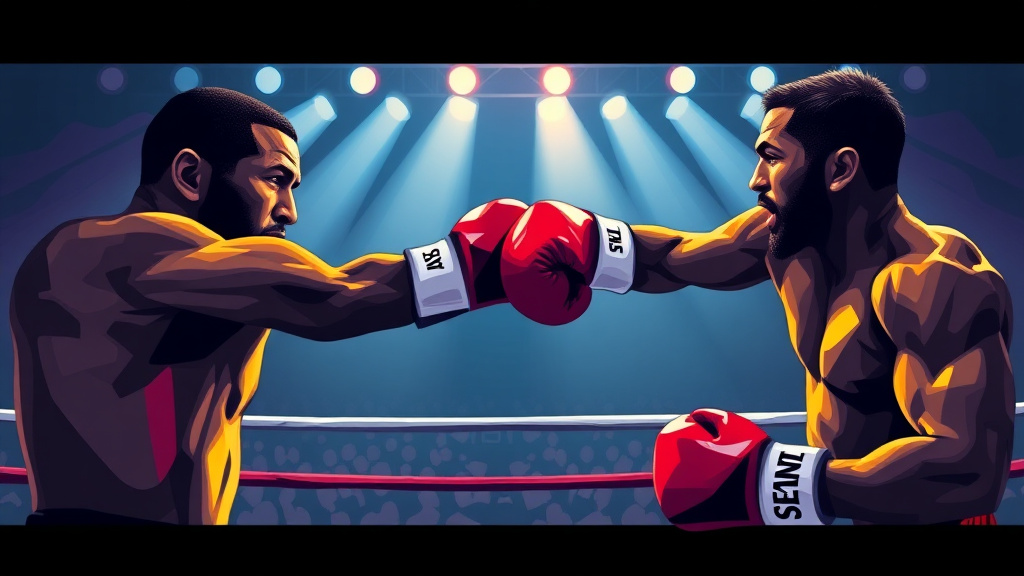
The professional heavyweight category is experiencing a seismic transformation that’s reshaping the competitive arena. Recent surprises, strategic retirements, and the emergence of powerful new challengers have significantly changed the rankings and standings that have remained relatively stable for an extended period. This article explores the pivotal changes sweeping through the division, analyzing how emerging talents are confronting established champions, which competitors have risen or dropped in the standings, and what these changes suggest for the future of heavyweight boxing.
Recent Championship Updates
The heavyweight division saw a historic title fight last month that sent shockwaves through the rankings. The defending champion faced an unexpected challenger who had rapidly climbed the standings through a series of dominant performances. The match produced a controversial decision that has ignited considerable discussion among observers and enthusiasts. This outcome has significantly changed the trajectory of multiple fighters, forcing the regulatory organizations to reassess their ranking systems and marketing approaches moving forward.
Several established contenders have undergone significant shifts in their standings after latest bouts. A pair of formerly elite competitors endured unexpected defeats against rising competitors, causing them to drop several spots in the formal standings. Conversely, three emerging talents have secured impressive victories that catapulted them into the highest tier of contention. These movements demonstrate the volatile dynamics of modern heavyweight boxing and demonstrate that traditional hierarchies do not guarantee superiority or title opportunities in the current landscape.
Championship discussions have become steadily complex due to these ranking fluctuations and the appearance of new contenders. Multiple fighters now make strong cases for title shots based on their current form and competitive rankings. The division’s sanctioning organizations face growing pressure to clarify the criteria for championship eligibility while managing competing interests from promoters, broadcasters, and fighters themselves. These changes suggest the heavyweight division is stepping into an age of unprecedented competitive parity and unpredictability.
Emerging Contenders and Ascending Talents
The heavyweight ranks is undergoing transformation that extends beyond the top tier, with a fresh wave of fighters showcasing exceptional skill and determination. These up-and-coming fighters are methodically breaking down the old guard’s dominance, introducing new tactical approaches and extraordinary athletic capability to the sport. Their swift rise through the rankings signals a significant transformation in the competitive environment, compelling established champions to evolve or face irrelevance in an ever-more demanding landscape.
Emerging Talent Breaking Through
A influx of exceptionally talented emerging heavyweight contenders has seized the division’s attention with strong showings against established contenders. These athletes integrate modern training methodologies with classic boxing principles, producing a significant challenge for seasoned competitors. Their wins have been clear-cut and commanding, garnering them quick advancement and marquee fights. The speed at which they’ve ascended the rankings demonstrates both their outstanding talent and the evolving competitive landscape within professional heavyweight boxing.
What sets apart this new generation is their adaptability and versatility in the ring. Unlike earlier up-and-coming fighters who relied on singular strengths, these competitors possess balanced skill sets including powerful striking, precise footwork, and strategic ring intelligence. Their training camps emphasize data-informed preparation and comprehensive opponent analysis. Many have already secured wins against previously undefeated fighters, building credibility that resonates throughout the division and drawing substantial media attention and sponsorship opportunities.
- Outstanding knockout power combined with skilled technique
- Elite conditioning enabling impressive finishing ability
- Strategic versatility adapting to different fighting approaches
- Global backgrounds providing diverse fighting perspectives
- Robust social media presence building fan engagement
The effect of these up-and-coming athletes goes far beyond personal accomplishments, substantially changing championship dynamics and prompting organizational restructuring. Promoters must now consider several competitive title contenders rather than depending on conventional matchups. This competitive depth has sparked unprecedented fan interest and increased broadcasting ratings on major networks. The division’s future relies heavily on how effectively these rising competitors handle the demands of elite-level competition and championship opportunities.
Impact on Upcoming Championship Fights
The standings shake-up will undoubtedly reshape the trajectory of forthcoming title fights. With fresh challengers rising through the rankings, reigning titleholders face mounting pressure to protect their positions against hungry challengers. The unpredictability now characterizes the division, making title fight matchups increasingly engaging and harder to forecast than in previous years. Fight promotions must thoughtfully plan their fight cards to preserve their reputation while leveraging the increased fan engagement generated by these dramatic shifts in ranking structure.
Title fight organization will grow steadily complex as promoters handle the valid demands of multiple top-ranked contenders. The emergence of diverse fighting styles among emerging talents creates new competitive obstacles for defending champions familiar with facing established contenders. Mandatory contender rules and sanctioning body regulations will force matchmakers to weigh commercial appeal with competitive fairness. This intricacy creates opportunities for exciting matchups that could shape the division’s legacy for years ahead.
Long-term divisional consistency depends on how current champions respond to these challenges. Fighters who adapt strategically and preserve top-tier conditioning will solidify their legacies, while those who decline risk sharp drop through the rankings. The division’s future offers compelling narratives as established powers clash with rising contenders. This resurgence of competition ultimately enhances heavyweight boxing, drawing worldwide viewers and ensuring the division remains the sport’s premier and most-watched weight class.
